Prevention & Diagnostics
Protect your smile with proactive preventive care and advanced diagnostics designed to detect concerns early and support long-term oral health.
Digital X-Rays
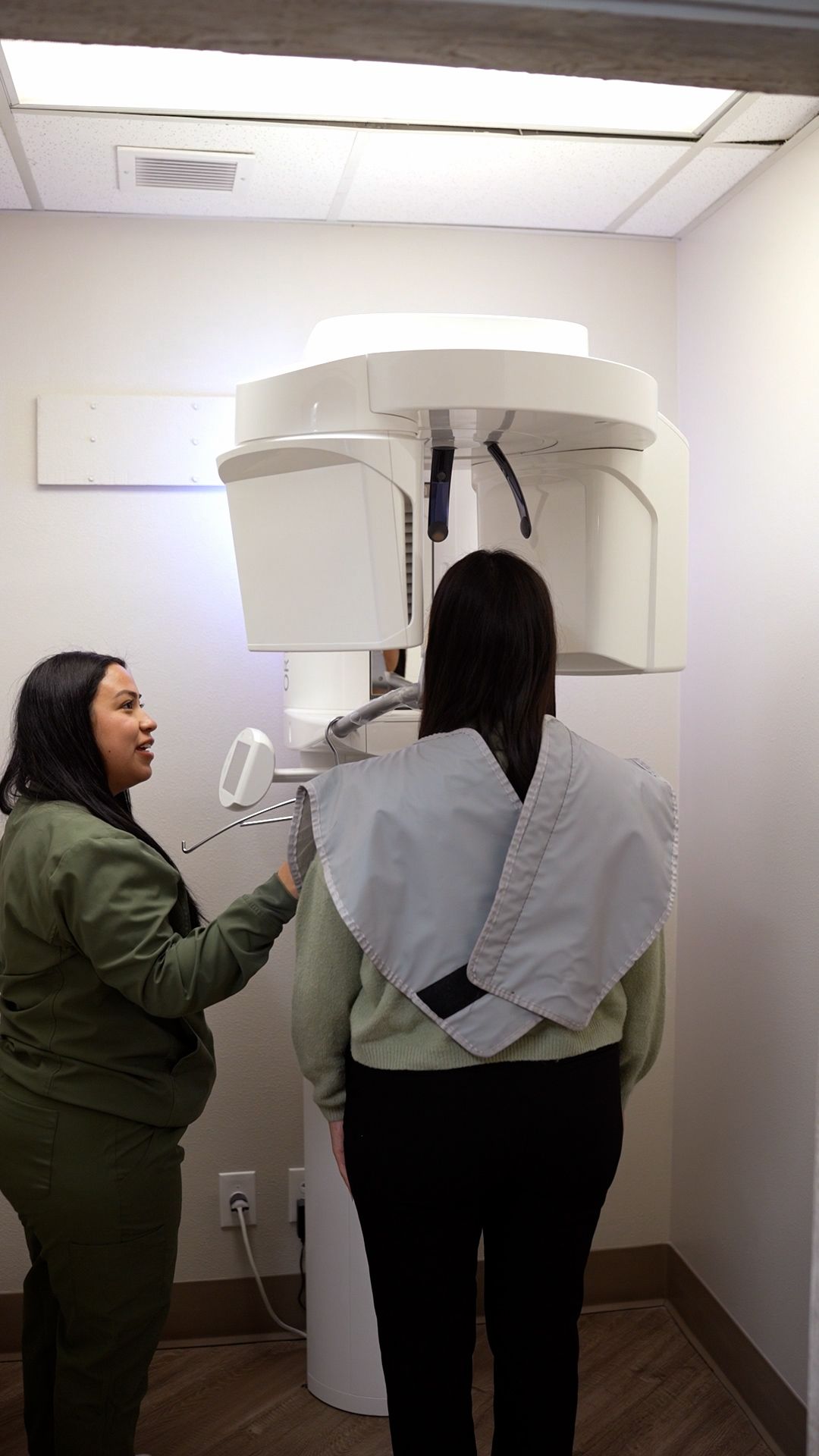
Digital X-rays give our team a clearer, faster look at what is happening beneath the surface of your smile. Using advanced digital imaging, we can identify cavities, bone changes, infections, and other concerns that may not be visible during a routine examination. At Three Two Three® Dentistry, we use X-rays as an important part of comprehensive, preventative care—helping us understand your oral health today and catch potential problems before they become more serious.
A clearer picture of your oral health
Early detection of potential problems
Personalized care based on what we find
Faster, more comfortable imaging
Detailed images to guide treatment decisions
Better monitoring of changes over time
COMMON QUESTIONS ABOUT Digital X-Rays
Are digital X-rays safe?
Yes. Digital dental X-rays use very low levels of radiation, and they allow our team to capture detailed images quickly. We only recommend X-rays when they are appropriate for your individual oral health needs.
Why do I need X-rays if my teeth look and feel healthy?
Not every dental problem can be seen or felt. X-rays can reveal issues below the surface, such as cavities between teeth, changes in the bone, infections, or developing problems. They give our team a more complete picture so we can focus on prevention and address concerns early.
How often do I need digital X-rays?
There is no one schedule that works for everyone. The frequency depends on factors such as your age, dental history, current oral health, and risk for developing problems. Your dentist will recommend X-rays based on what is appropriate for you rather than taking them unnecessarily.
Intra-Oral Photographs
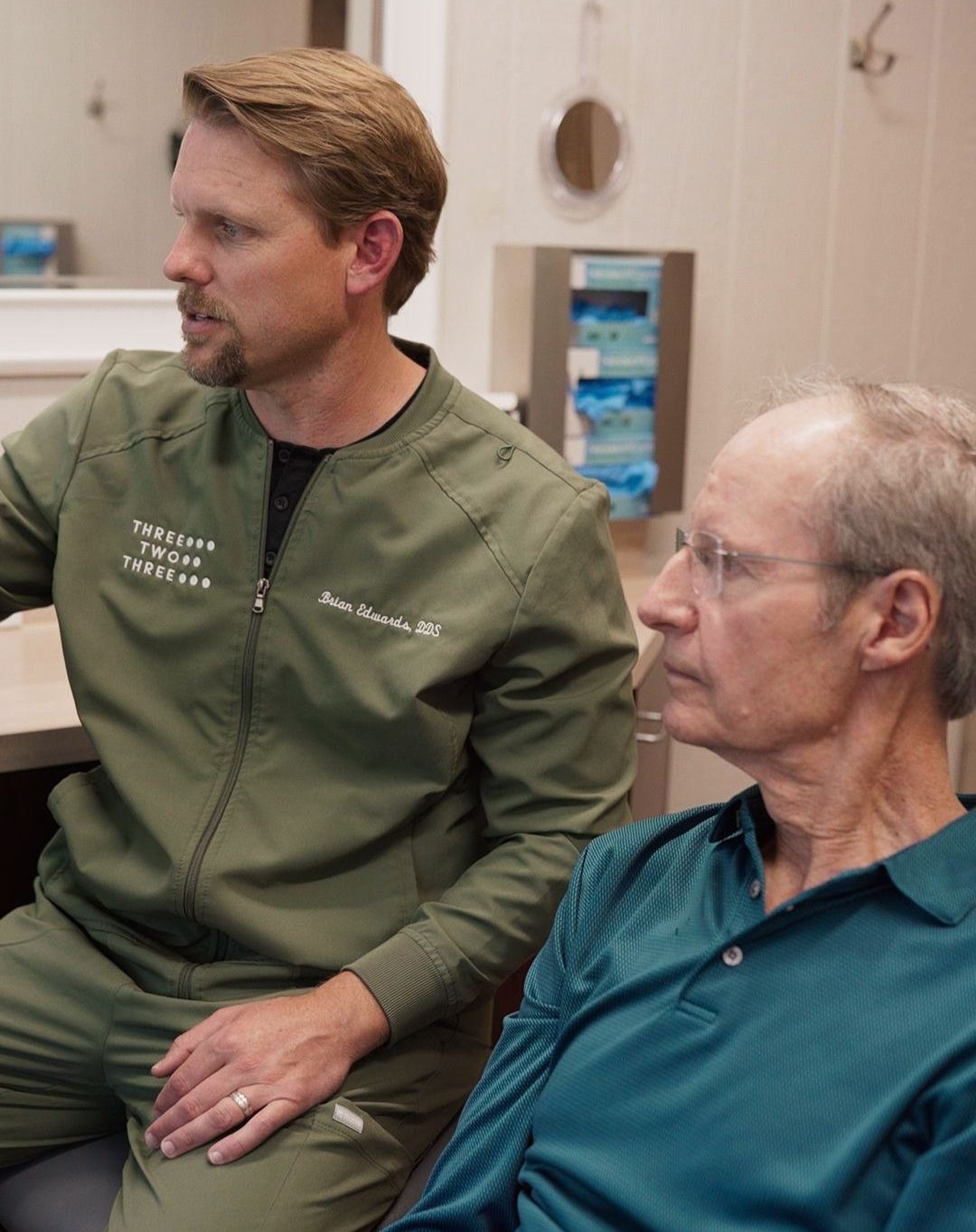
Intra-oral photographs give our team a clear, detailed view of your teeth, gums, and overall oral health. Using a small, high-resolution camera, we can capture areas of your mouth that can be difficult to see during a routine examination. At Three Two Three® Dentistry, we use intra-oral photographs to document your oral health, explain our findings, and help you better understand your treatment options.
A clear, up-close view of your teeth and gums
Easy-to-understand images of your oral health
Better detection of cracks, wear, and other concerns
Detailed images to help guide treatment decisions
Visual documentation to monitor changes over time
More informed and personalized treatment planning
COMMON QUESTIONS ABOUT INTRA-ORAL PHOTOGRAPHS
What are intra-oral photographs?
Intra-oral photographs are high-resolution images taken inside your mouth using a small dental camera. They allow both you and your dentist to see detailed images of individual teeth, gums, existing dental work, and areas that may need attention.
Are intra-oral photographs uncomfortable?
No. Taking intra-oral photographs is quick, non-invasive, and comfortable. The small camera is gently positioned inside your mouth to capture detailed images without the use of radiation.
Why does my dentist take intra-oral photographs?
Intra-oral photographs help document your current oral health and make it easier to identify and explain concerns such as cracks, worn teeth, damaged restorations, or changes in the gums. They can also be compared over time to help monitor your smile and guide future treatment.
iTero Scans
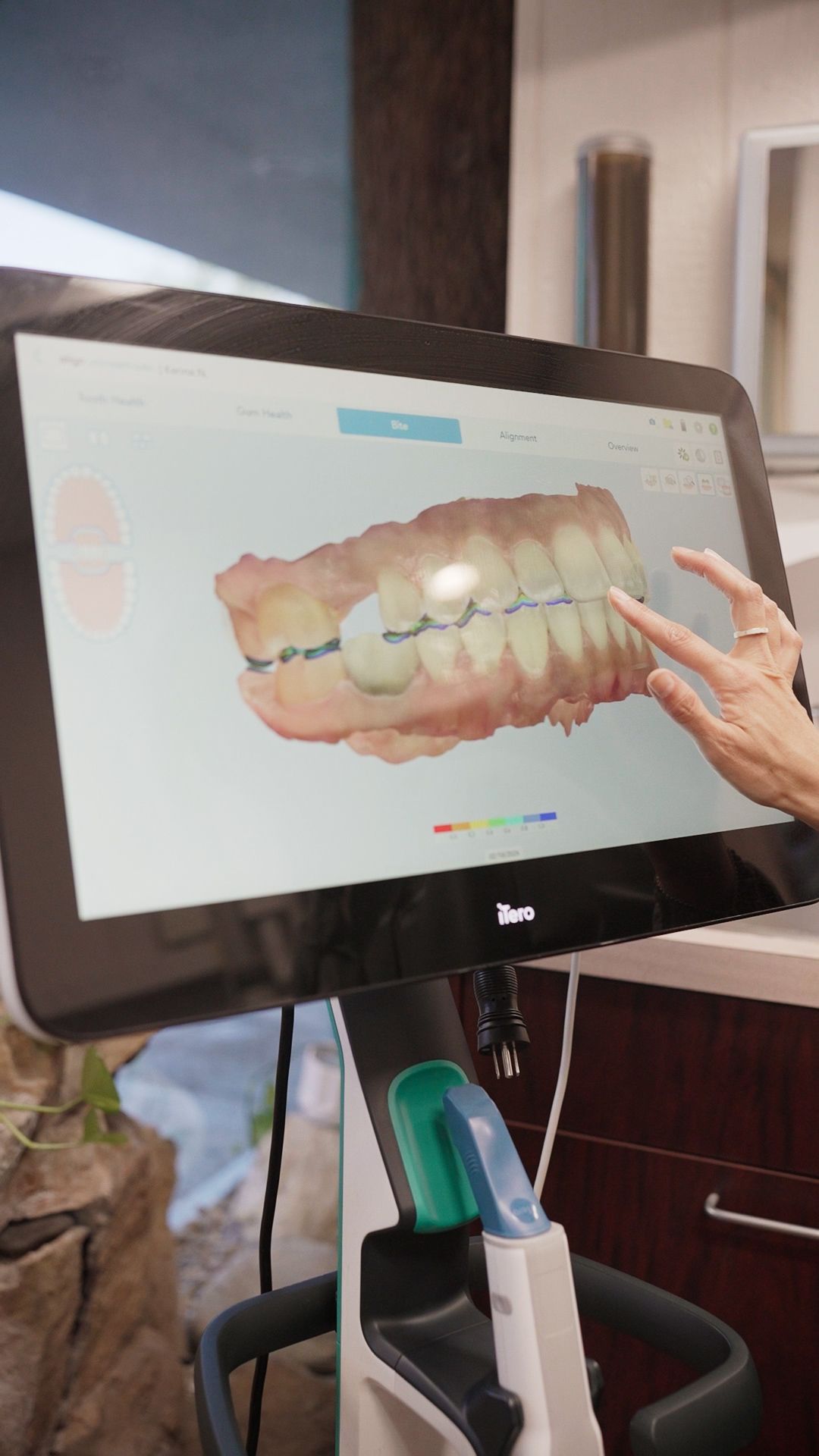
iTero scans give our team a fast, detailed digital view of your teeth and bite without the need for traditional dental impressions. Using advanced 3D scanning technology, we can create a precise digital model of your smile to help evaluate your oral health and plan treatment. At Three Two Three® Dentistry, we use iTero scans to make the treatment process more comfortable, visual, and personalized from the very beginning.
Precise 3D images of your teeth and bite
No messy traditional dental impressions
Fast, comfortable digital scanning
Detailed images to help guide treatment planning
Easy-to-understand visuals of your smile
Digital records to monitor changes over time
COMMON QUESTIONS ABOUT iTero Scans
What is an iTero scan?
Yes. Digital dental X-rays use very low levels of radiation, and they allow our team to capture detailed images quickly. We only recommend X-rays when they are appropriate for your individual oral health needs.
Are iTero scans comfortable?
Yes. iTero scanning is quick, comfortable, and non-invasive. Instead of biting into trays filled with impression material, a small scanning wand is gently moved around your mouth to capture the images needed to create your digital model.
What are iTero scans used for?
iTero scans can be used for a variety of dental treatments, including clear aligners, crowns, bridges, restorative dentistry, and monitoring changes in your teeth and bite. The detailed 3D images also make it easier for your dentist to explain recommendations and help you understand your treatment options.
Oral Cancer Screenings
Oral cancer screenings are an important part of protecting your long-term oral and overall health. During your examination, our team carefully checks your mouth, tongue, gums, and surrounding tissues for unusual changes that may require further evaluation. At Three Two Three® Dentistry, we include oral cancer screenings as part of preventive care to help identify potential concerns as early as possible.
Quick and comfortable screening process
Careful examination of the mouth and surrounding tissues
Early identification of unusual changes
An important part of routine preventive care
Helps identify areas that may need further evaluation
Greater awareness of changes in your oral health

COMMON QUESTIONS ABOUT Oral Cancer Screenings
What happens during an oral cancer screening?
During an oral cancer screening, your dentist examines your lips, tongue, gums, cheeks, throat, and other areas of your mouth for unusual sores, discoloration, lumps, or changes in the tissues. The screening is typically quick and can be completed as part of a routine dental examination.
How often should I have an oral cancer screening?
Oral cancer screenings are often performed during routine dental exams. Your dentist may recommend a screening schedule based on your individual health history and risk factors.
Why are oral cancer screenings important?
Oral cancer can sometimes develop without obvious symptoms in its early stages. Regular screenings give your dental team an opportunity to identify suspicious changes early and recommend additional evaluation when necessary.
OUR APPROACH TO PREVENTION & DIAGNOSTICS
PREVENTION FIRST
Routine exams and preventive care help protect your teeth and gums while reducing the risk of more complex dental problems.
EARLY DETECTION
Advanced diagnostic tools help us identify cavities, gum concerns, changes in your bite, and other potential issues as early as possible.
ADVANCED TECHNOLOGY
Digital X-rays, intra-oral photographs, and iTero scans give us detailed information to better understand and monitor your oral health.
CARE BUILT AROUND YOU
We combine our findings with your individual needs and goals to create personalized recommendations for maintaining a healthy smile.